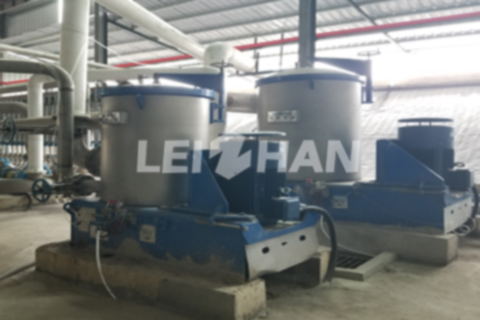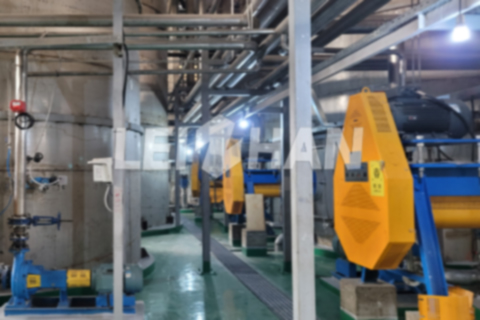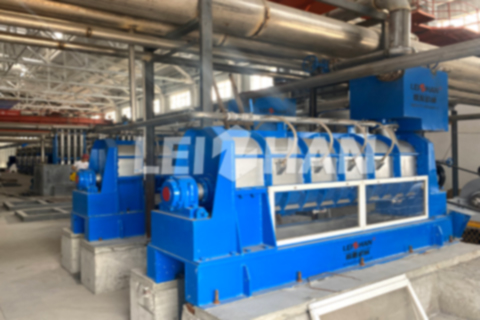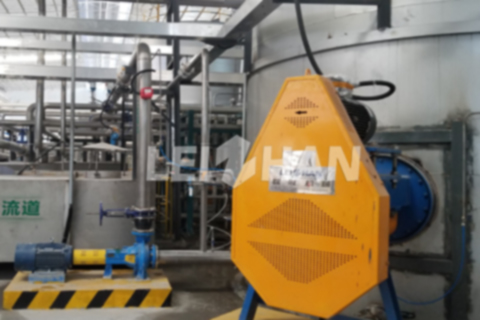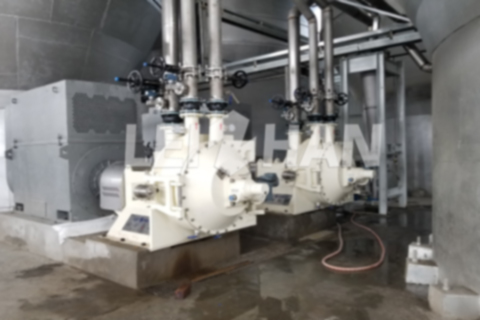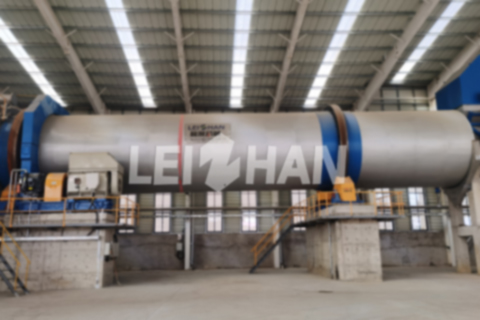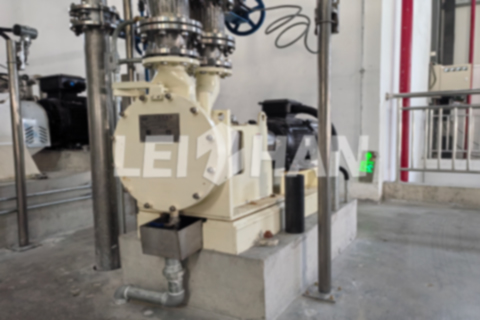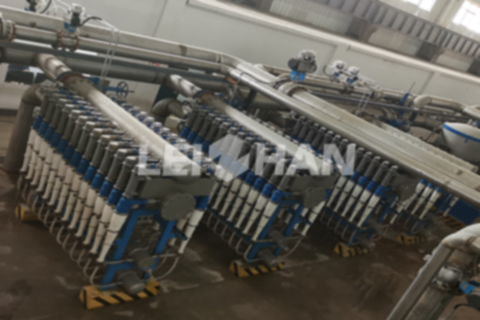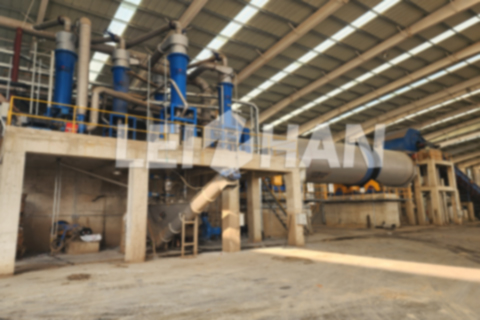
The Lastest Project We’ve Done.

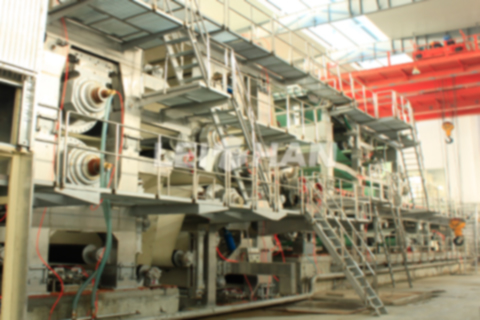
4400/600 Multi-Cylinder High-Strength Corrugated Paper Machine

The Model 4400 Multi-Cylinder Paper Machine is primarily used for producing high-strength corrugated paper with a basis weight of 90-160g/m², and all products are delivered as continuous rolls. The machine consists of several key sections: the forming section, pressing section, drying section, size press, winding section, drive system, foundation unit, enclosed steam hood, electrical control system, lubrication system, and ropeless paper guiding system.
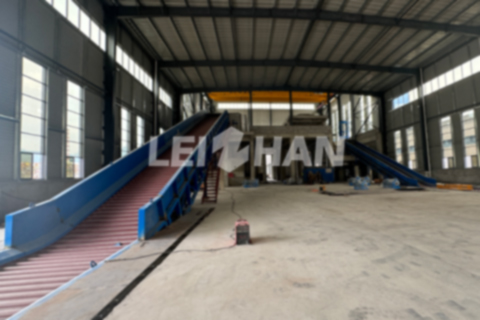
Pulping Environmental Protection Technology Chain Conveyor

Selecting the appropriate chain conveyor for the pulping production line can enhance production efficiency and reduce operational costs for pulping enterprises.

Paper Pulp Purification System Light Impurity Separator

An indispensable part of modern pulp preparation production lines, the light impurity separator is a key technical equipment in the pulp purification process. Its performance directly affects the quality of pulp, production costs, and system stability.

M.C. Pressure Screen In Paper Industry

The M.C. pressure screen is developing towards intelligence and high efficiency, and is increasingly becoming an important screening equipment in the paper industry. It is mainly used to remove impurities from pulp, such as fiber bundles, plastic sheets, adhesives, etc., in order to improve paper quality and production efficiency.

High-efficiency Pulping Device Agitator

With the continuous advancement of pulping machinery production technology and automation technology, the agitators in paper mills will become more precise, efficient, and intelligent, providing solid power support for the green development of modern industry.

Reject Separator Machine In Paper Industry

In the paper making industry, an important solid-liquid separation device, the reject separator is primarily used to process the mixture of waste sludge and wastewater generated during the paper making process. This equipment employs mechanical separation technology to separate solid materials such as fibers and fillers from the waste sludge, enabling resource recycling and wastewater purification.

Agitator Pulp Manufacturing Equipment

Although the pulping agitator may appear to be an auxiliary device in the pulping process industry, it is actually the core equipment that ensures stable pulp production, enhances the quality of paper products, and reduces overall costs.

Double Disc Refiner Pulping Technology

The core working components of double disc refiner are two relatively rotating grinding discs. The two grinding discs of a double disc refiner can rotate, usually in opposite directions. This unique design brings higher relative linear velocity, stronger friction and shear effects, thereby achieving more efficient and uniform processing of pulp fibers.

Drum Pulper Paper Mill Production Line

During the pulping process in paper mills, the drum pulper employs a unique mechanical motion method to efficiently separate waste paper into fibers without damaging their strength. It also effectively kneads and crushes heavy impurities (such as plastic fragments and adhesives) in the pulp, separating them from the fibers.

Pulp Production Machinery Fiber Deflaker

The fiber deflaker in pulping machinery is a key piece of equipment primarily used for the disintegration and dispersion of pulp fibers. This device mechanically separates fiber bundles into individual fibers, effectively reducing fiber entanglement and the formation of lumps, thereby improving the uniformity and quality of the pulp.

Light Impurity Separator Waste Pulp Purification Equipment

In the pulping process, the light impurity separator is an indispensable component in modern pulp production lines. It features a simple structure, reliable operation, low failure rate, minimal maintenance costs, and relatively low energy consumption.

Drum Pulper Modern Waste Paper Pulping Machine

In the standard configuration of modern waste paper pulping production lines, the drum pulper demonstrates significant advantages in terms of pulping efficiency, energy consumption control, and adaptability to waste paper raw materials.

Page Links: First PagePrevious1234567891011121314151617181920212223242526NextLast Page